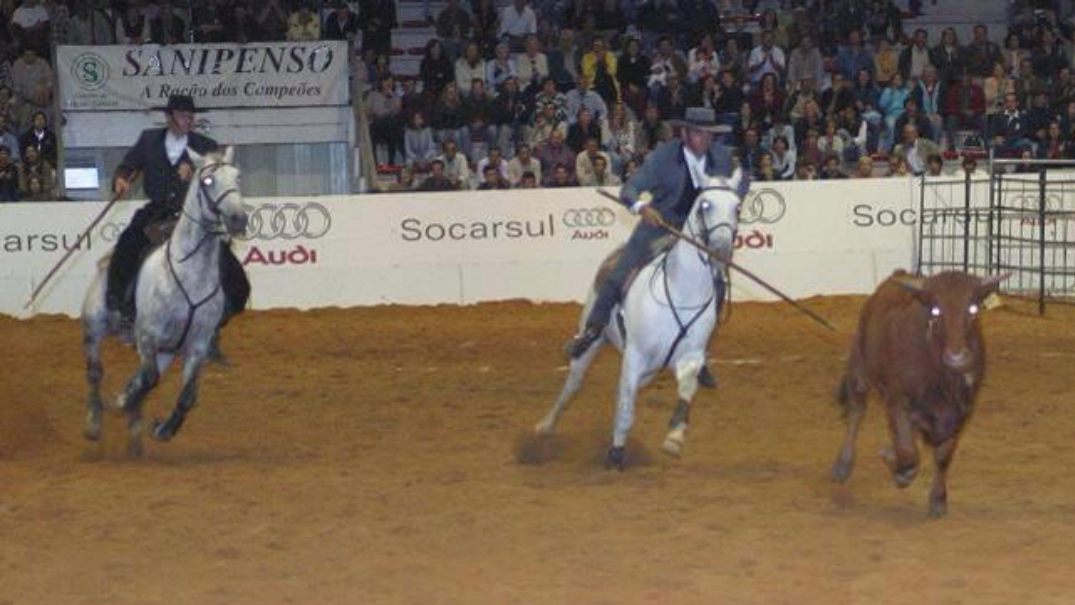
João Pereira Lynce is one of the greatest enthusiasts and was one of the best practitioners of the Working Equitation modality having been National and European Champion individually and World Champion by Teams.
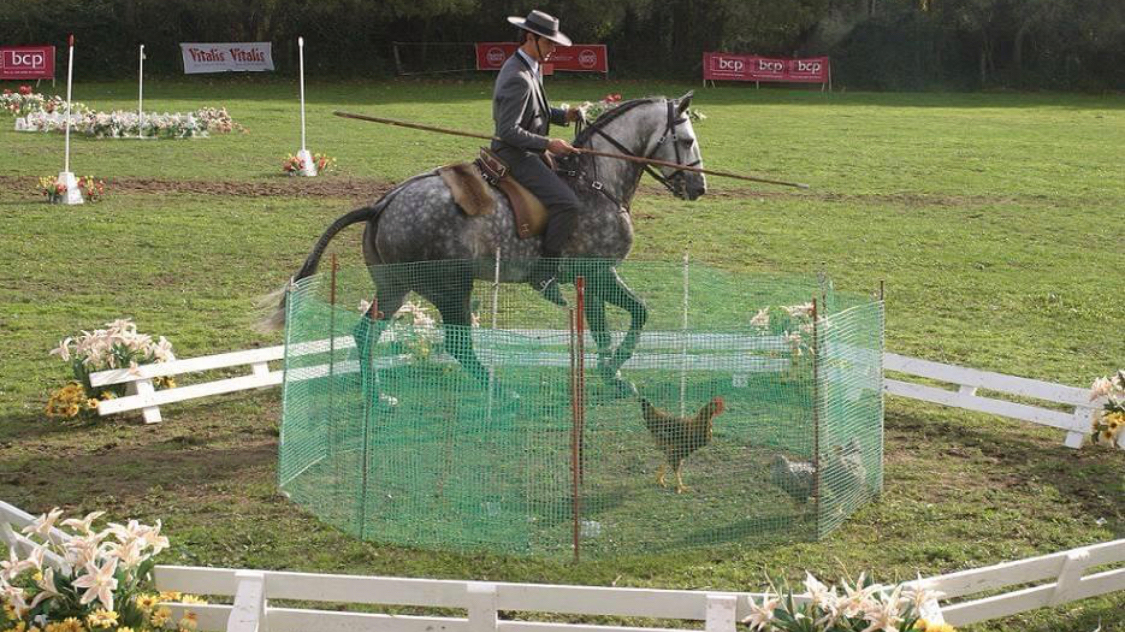
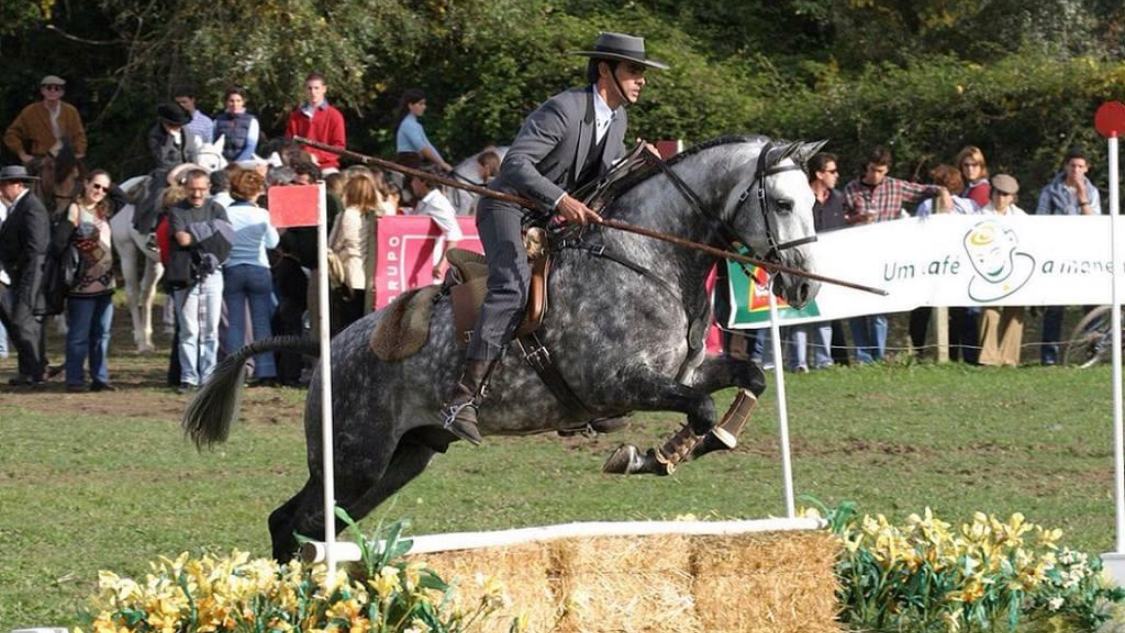
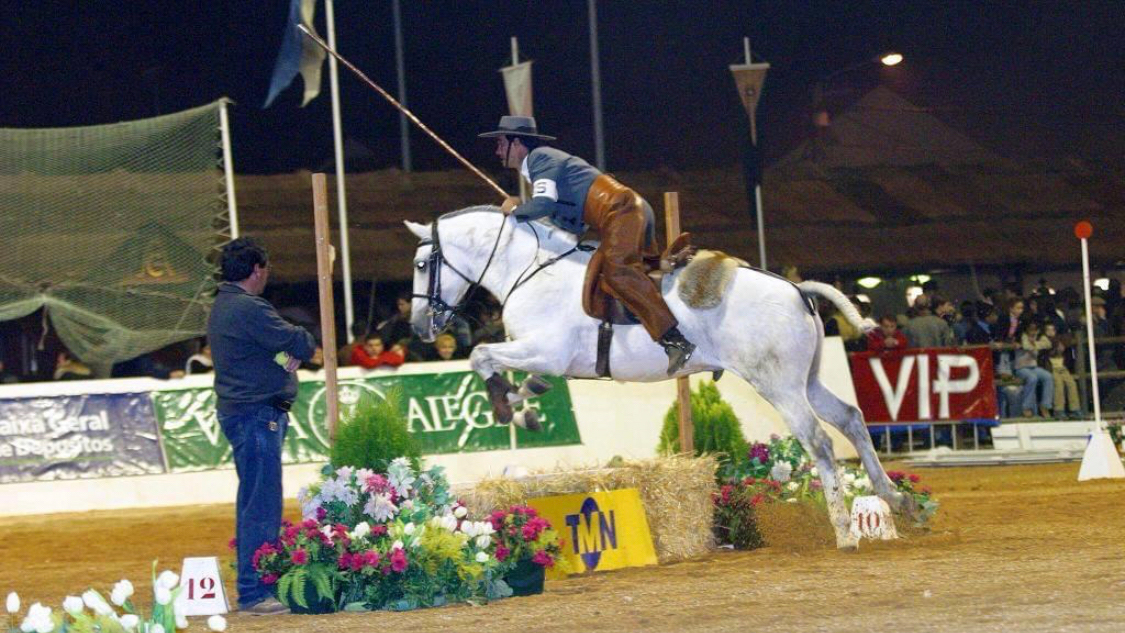
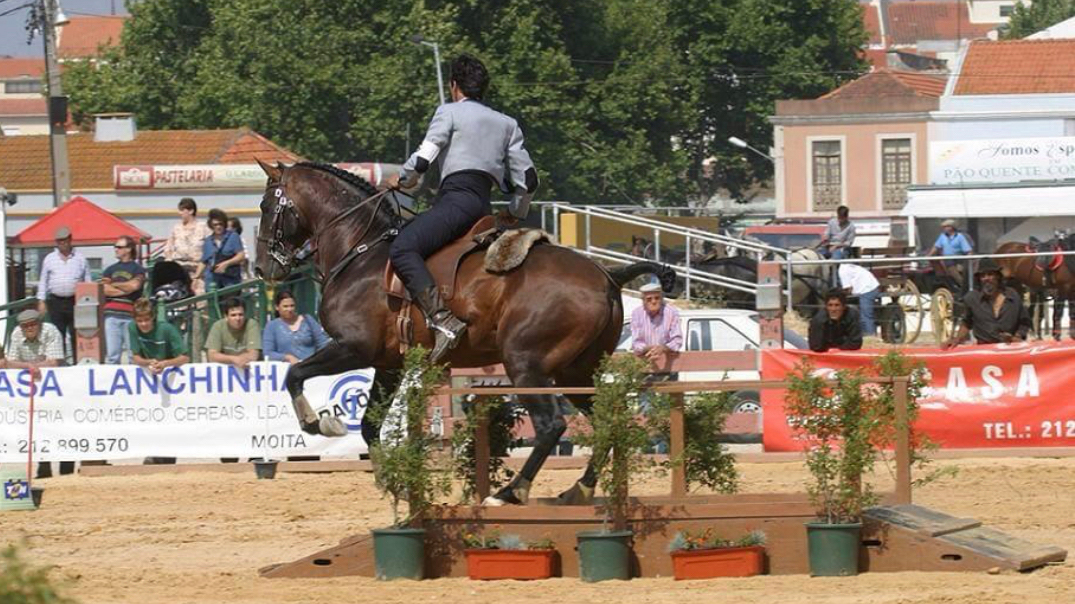
Competition in this sport is divided into 3 phases that are designed to test the horse and rider through a series of activities. It combines flat work with obstacle work, inviting horse and rider to deal with a series of obstacles similar to those encountered when working in the field.
Overall, the competition aims to promote good horsemanship, a level of submission and control of the horse.
It is a sport practiced in Australia, Austria, Belgium, Brazil, Colombia, Czech Republic, Denmark, France, Germany, Great Britain, Holland, Italy, Mexico, Portugal, Spain, Sweden, Switzerland, and the United States, with annual championships, and other countries such as China, Russia, and Uruguay already have some practitioners.
This sport has its associations in each of the member countries.
Stage 1 – Dressage – Testing
Riders are given a freestyle teaching reprise that must be done in a 20m x 40m arena. There is a set order for the movements and the test must be performed within a set time frame.
Stage 2 – Obstacle Course - Ease of Handling Trial
Riders are required to ride around a series of obstacles at a gallop and/or pass as specified. The obstacle course is designed to show the rider’s ability to control the horse’s pace and to display the empathy and trust between horse and rider.
Stage 3 - Obstacle Course Against the Clock - Speed Test
In the teaching test, marks will be awarded for the execution of each movement. Collective marks are awarded at the end of the test. The obstacles are numbered and are awarded individual marks, at the end of each test collective marks will also be awarded.
The combination of these sets of marks, along with the time in the speed test, will declare the winner.